Training Tip: Cues to Guiding a Horse
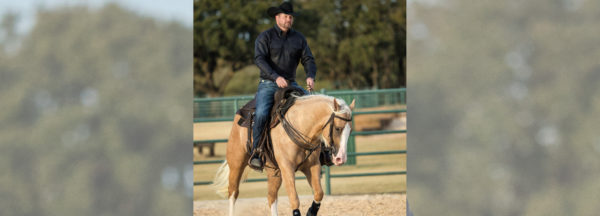
Whenever you want to change directions, turn your horse or guide him in general, always use the “Look, Leg, Rein” approach. No matter what you’re doing with your horse, you always want to be able to use the lightest cue possible to get your horse to respond correctly. When it comes to steering, that’s your look. Look up and focus on where you want the horse to go.
If he doesn’t immediately follow your focus (and he won’t when he’s just getting started under saddle), then you’ll step up to the next level of pressure and insist that he follows your focus by applying pressure to his side with your outside leg. For example, if you’re wanting to turn your horse to the left, you’d look up to the left and apply pressure to his right side with the calf of your right leg.
If he doesn’t follow your focus and move off your leg pressure, you’ll enforce your request by picking up on the inside rein and steering him in the direction you want him to go. In this example, that would be picking up on the left rein. If you’re consistent with your cues, your horse will learn to follow your focus.
Always start with the lightest cue possible. Then, if the horse doesn’t respond correctly, increase the pressure until he does. As long as you always start gently and finish gently, eventually that’s all you’ll have to be.
