Step-By-Step Directions to a Safe First Saddling
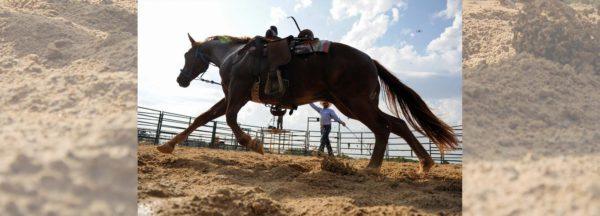
When it comes to ensuring a good start for a horse that sets the foundation for a successful career, how the first saddling goes is vital. If done correctly, it builds the horse’s confidence and sets him up for a successful career. If things go wrong, it can set his progress back a lot.
“Plus,” Clinton says, “If not done correctly, the first saddling can be one of the most dangerous times when starting a colt because you’re introducing a new object to him that moves and makes a noise. And not only are you introducing it to him, but you’re also fastening it to his back. When a horse gets frightened, he can react very quickly, so you need to be aware of what he’s doing at all times and be sure that you’re in a safe position.”
The secret to making the first saddling a success is once you start saddling the colt, be quick about it. Get the job done as smoothly as possible without wasting time.
In the training guide, “Smooth Saddling,” Clinton goes step-by-step through what a textbook version of how a first saddling should go. Read the detailed training article on our the Downunder Horsemanship website.
