Training Tip: Make it a Guessing Game
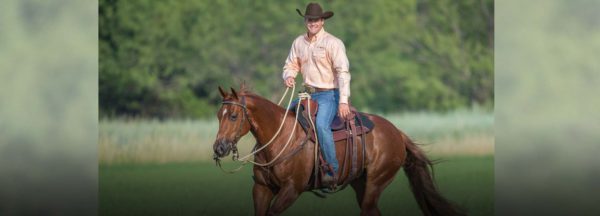
You always want your horse thinking, “What’s next?” If you constantly keep him guessing about what you’ll ask him to do, he’ll be forced to tune into you. That means mixing up your training sessions so you don’t practice the same exercises in the same order. It also means that you’re conscious of being a leader for your horse and not letting him decide what you’re going to do. For example, if you’re riding a straight line toward a fence and your horse starts to turn left before you cue him, turn him right. With repetition, he’ll learn to wait for your cue because every time he guesses, he’s always wrong. Always do the opposite of what the horse thinks you’re going to do.
Also, be sure to include variety in your training program. Variety is crucial to not only keeping your horse happy and interested in his job, but will stop him from anticipating you. Don’t just ride your horse in the arena and keep drilling on the same exercises. Train him on the trail. You can practice the same maneuvers – sidepassing, two-tracking, bending, etc., only your horse will be more interested in his job because he’ll be in a new environment.
