What is Oat Grass Hay and How Can it Benefit Horses?
By Dr. Tania Cubitt, Performance Horse Nutrition and Standlee Premium Western Forage®
Oats are a type of cereal crop grown for the seed/grain. Oat grains have been fed to livestock for centuries and have long been a sought-after source of energy for horses. Oats are high in starch and fiber, and while most horses consume and digest them easily, many horses don’t due to their high-starch content. Oat plants grown as a cereal crop produce a seed/grain as they mature and energy stores (starch) from the plant are shifted to the grain as it ripens. This is then harvested, and the remaining plant is oat straw, which has very little nutritional value and is high in non-digestible fiber (Cuddeford et al., 1995).
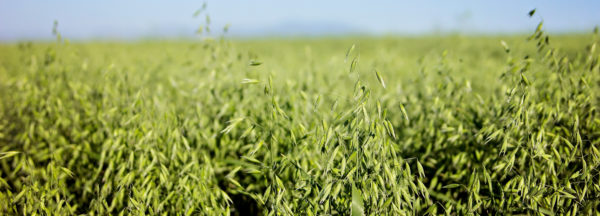
While oat grains can be detrimental to some horses, oat grass hay is an entirely different story. Oat grass hay is specifically grown as a forage crop similar to timothy or orchard grass and is harvested in an immature growth stage to maximize digestibility. As the seed head has not developed, the starch content of oat grass forage is minimal. When oat grass hay is correctly managed using optimal fertilization programs, we can increase fiber digestion and growth of the plant while minimizing water soluble carbohydrates (Malik et al., 2011).
Standlee Premium Western Forage® offers Premium Alfalfa/Oat Grass Forage Cubes in a convenient 40-pound bag. This product is ideal for growing (moderate to rapid growth) and underweight horses, horses with sensitivity to carbohydrates, horses with gastric ulcers, performance horses, late in pregnancy and lactating mares, breeding stallions and senior horses.
In summary, it is important to remember that oat grass grown as a forage crop and oats grown as a cereal grain crop have different management and completely different nutritional outcomes, with regards to feeding horses.
To learn more about oat grass and for full scientific references, visit our website.
